Current concerns:
- Coronavirus: obvious
- Job: cinemas are closed down for the foreseeable future, oh dear
- Uni: my course is so unsuited to learning in isolation that we’ve had gentle recommendations to withdraw, yikes
- MAJOR CONCERN: I am haunted by this blog, and all the weakness, anhedonia and lack of commitment it represents.
Potential coping strategy: the blog is called Fifty Two Films, not “Fifty Two Films Watched in Consecutive Weeks and Reviewed According to a Strict and Regular Schedule”.
Today’s solution: blog??
(I make lists when I’m stressed – it’s my personal alternative to the fight/flight response. Although, in its own way, is fight/flight/freeze…a list??)
The upside of all my life commitments (work, uni, social life, having a partner that I can get to without crossing closed borders and being thrown into mandatory quarantine) crumbling around me is that I can come crawling back to this spooky, decaying blog and start churning through some more weeks. To my three subscribers asking for updates (you know who you are), do not take this as a sign of me returning to any kind of routine. The barrier of reentry has to be as low as possible for me to even stomach clicking this festering link in my toolbar, this icon of guilt, hypocrisy and abandoned dreams.
So, how are we all?
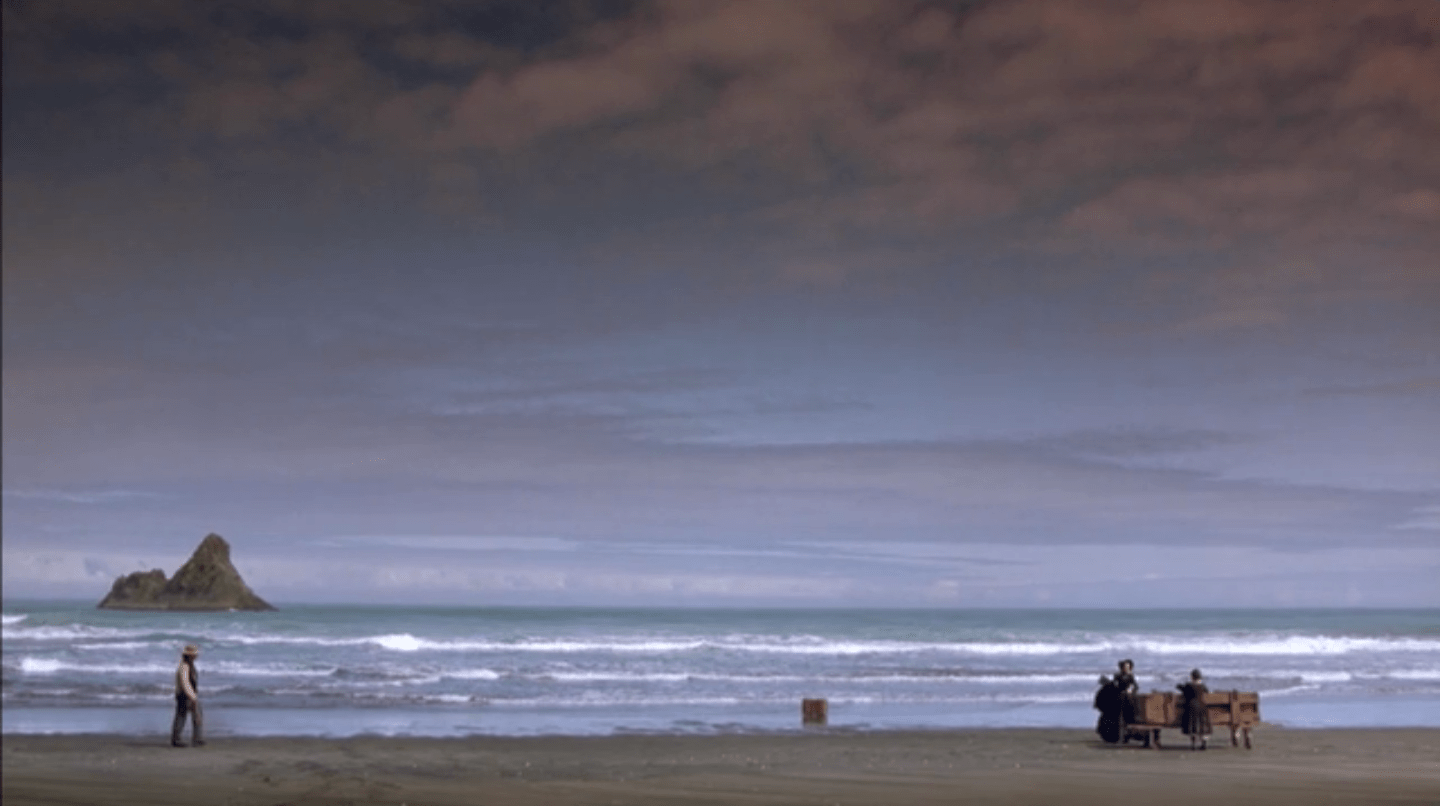
I watched The Piano yesterday, and oh boy, let me tell you: not a film that will take one’s mind off trials and tribulations. The theme today? BLEAK.
Jane Campion’s 1993 drama about a mute woman and her daughter being dumped on a New Zealand beach with their piano netted her an Academy Award nomination for direction – one of the five female nominees ever. Now that, in itself, is BLEAK.
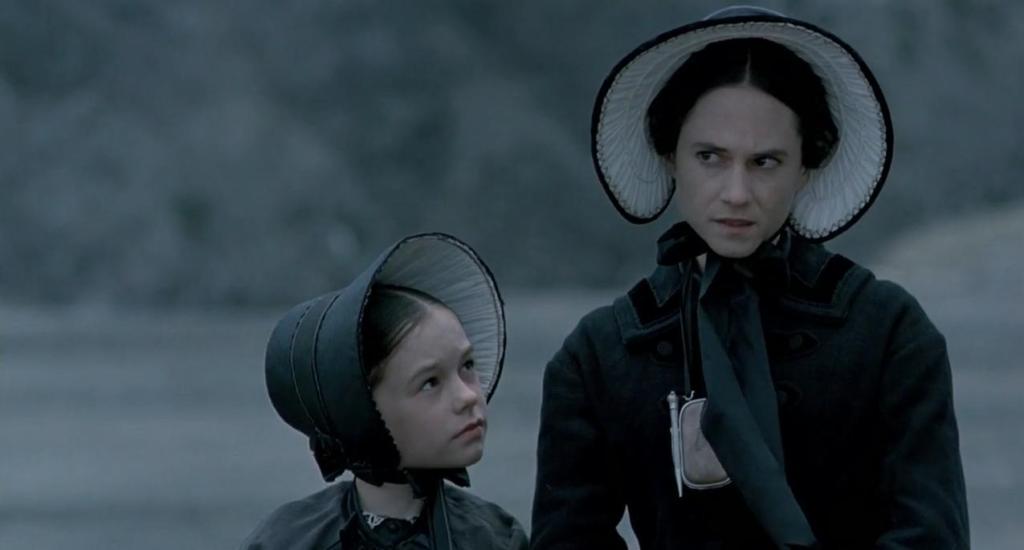
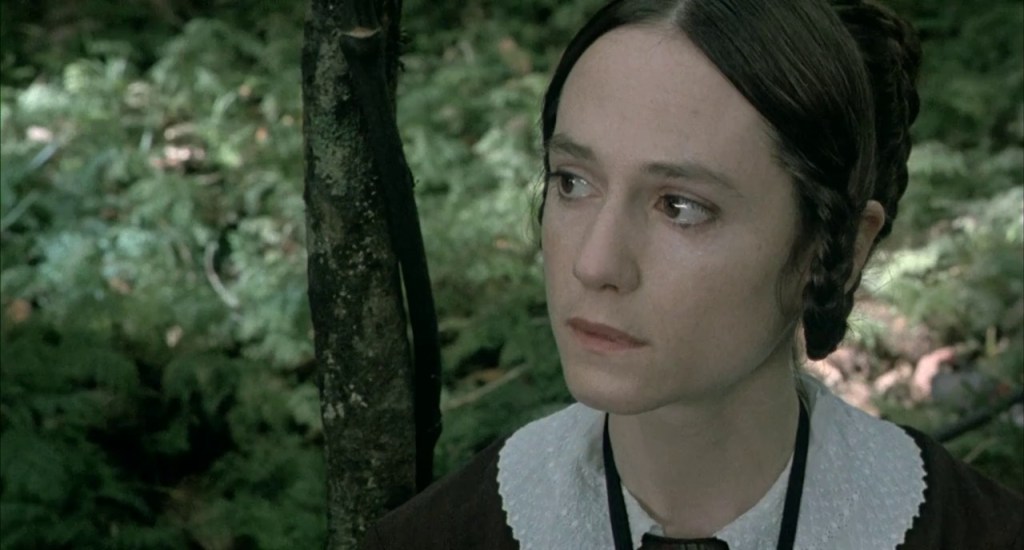
I was really conflicted about this film. For a start, nobody has a good time. Scottish Ada McGrath (Holly Hunter) is psychologically mute – to communicate, she only needs her daughter Flora (Anna Paquin), trusty notebook necklace and beloved piano. Ada has been sold into marriage by her father, and the film opens with her being deposited onto a bleak, stormy beach to be collected by frontierman Alisdair Stewart (Sam Neill, unfortuately without any gruff Uncle Hec charm). After Stewart deems her piano too heavy to carry home and instead sells it to roughhewn local George Baines (Harvey Keitel), Ada and Baines strike up a deal – in exchange for a series of (increasingly sexual) “piano lessons”, she can buy her piano back key by key.
Needless to say, things go very badly for everyone involved, and there is a lot of rain, despair, uncomfortable sex and plunging into the ocean’s depths. No spoilers.
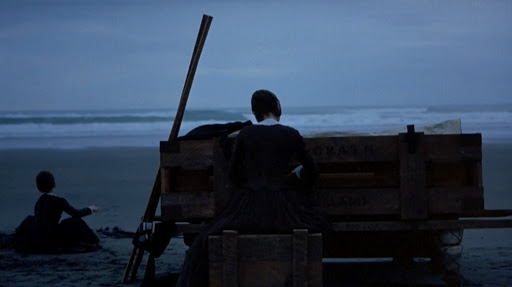
Before we proceed any further, please commence listening to Michael Nyman’s beautiful theme, The Heart Asks Pleasure First – pretty much the only song Ada every plays, and for good reason – to get yourself in the right headspace.
For me, the enjoyment of The Piano has come through lying it down on my figurative settee and unspooling its complicated filmy brain. I read this film in the context of feminist psychoanalytic theory, which I assure you is very simple and has a low barrier of entry (ha ha).
Here’s what you need to know.
Psychoanalytic film theory: takes a bit of Freud and Lacan, and decides that cinema is not a window to reality or a frame constructing it, but a mirror which awakens the unconscious desires and fears of the spectator through identification. Basically, dark room, projection facilitates internal projections, we misrecognise characters as our own reflections like a Lacanian infant, psychic fusion happens, there’s castration anxiety, etc. Cool? Cool. Bleak.
The male gaze: the central concept of Laura Mulvey’s seminal 1975 work Visual Pleasure and Narrative Cinema, which, despite being informed by the slightly batty above, is kind of a big deal in the world of screen studies. Male gaze is a complicated idea, but is basically predicated on gender power imbalance: in film, women are objects to be looked at, and men/the camera/the audience gain sadistic, voyeuristic or fetishistic power from looking.
In other words:
The male gaze, as defined by Mulvey, is a way of portraying women onscreen in order to provide male spectators with pleasure, conforming to a “dominant patriarchal order” (834). To Mulvey, mainstream cinema provides a phallocentric (focusing on and emphasising that which is male) view of a world “ordered by sexual imbalance” (837), which separates men and women into roles that are either active (male) or passive (female). This distinction places woman as “erotic object” and man as “bearer of the look” (837). Mulvey’s male gaze is in fact made up of three distinct but interconnected “looks”: that of the camera (and its presumably male operator) as it records the scene, that of the male protagonist as he looks at the woman, and that of the audience as they watch the final product.
– Me, in an essay one time.
It’s an old theory, and not without its gaps, but trust me: a gamechanger. Back to The Piano. Here’s some psychoanalysis to start you off – see how you go.
Fears: castration anxiety, repression and feminization
Stewart’s repressed longing for Ada, and the complex sexual power imbalance of their marriage, links to Freudian ideas of the Oedipal complex. Stewart is immediately allied with concepts of fetishism and sadistic voyeurism, possessing and gazing at a small portrait of an unblemished Ada as he makes his way to collect her from the beach – a literal objectification of his new wife. However, Ada challenges this structure, refusing to be made the subject of his desire. In a later scene, Ada awakens Stewart as she sits above him, caressing his face and hands. As she gazes down at his body, the camera cuts to a conventional eye-line match, a lingering close-up of Stewart’s chest. Stewart, in being unable to touch Ada back, is made object of her gaze, and this serves as a kind of symbolic feminization or castration. In the later act of (spoiler) cutting off Ada’s finger, Stewart attempts to reclaim masculine, sadistic power through his own punitive act of castration: removing Ada’s power, her unique capacity to express passion through music, prevents her from communicating her desire.
Desire: female passion and subversion of the gaze
This subversion of the male/female as spectator/bearer of the look fits into The Piano’s wider examination of Ada’s sexuality and desire. In some scenes, there is an implication of reversed of ‘female’ gaze, where the power lies with Ada or some other, feminized spectator – for example, when Baines appears naked in front of Ada, he emerges tentatively from behind delicate red curtains, presenting himself and in so requesting to be looked at. Often, Campion eludes the gaze entirely, choosing instead to communicate her heroine’s passion and desire through score. Ada herself describes her piano as her voice, and its presence (both diegetic and extradiegetic) communicates a more ethereal, sensory and emotive desire than can be communicated visually. The implication of this altered filmic language is that the ‘gaze’ provides a stereotypical male pleasure, and that the tools of this sadistic male scopophilia are insufficient to represent female desire.
Ok. You’ve advanced to the boss level. All your (two paragraphs of) training has prepared you for this. Final stage:
In terms of application, I am always fascinated by work that goes beyond use of theory as a tool to analyse film, and instead uses film to evaluate the usefulness of theory – considering how that school of thought may have influenced the film in the first place. For example, I would suggest that The Piano is more interesting when read as a reaction, response or counter to male gaze theory, as opposed to simply reading it through the lens of scopophilia.
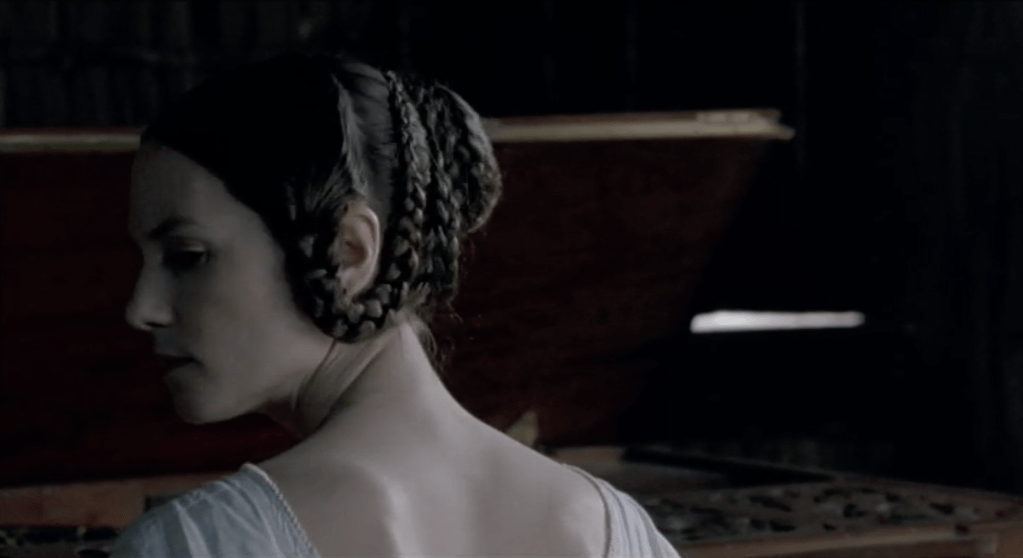
Male gaze theory is so established that it itself can inform cinema, creating a kind of meta-gaze. As someone familiar with male gaze theory, I certainly felt that Mulvey’s analysis could have partially informed some of Campion’s choices – whether that’s true or simply me projecting my feminist reading onto her, I don’t know! For example, the shot of Ada sitting at the piano from behind seems to directly correspond to Baines’ male, sadistic, voyeuristic perspective – he has power over Ada, and is explicitly deriving pleasure from looking at her body. However, I found that shots like these somehow felt more aligned with Ada’s perspective: her vulnerability and awareness of her own nakedness, but also her participation in being looked at – a complex unspoken sensuality as her feelings for Baines are gradually awakening. I felt that Campion intentionally positions the spectator to secondarily identify with Ada in these portrayals of her body, rather than receive any kind of voyeuristic gratification. This links further into Lacanian mirror stage theory – in this melding of primary and secondary identification, the spectator is looking at Ada with a sense of recognition, as if through Ada’s own eyes.
Whew.
Here’s some self-psychoanalysis: this incredibly dense, confusing “review” is a dreamlike actualisation of my deep fear of sticking to projects that I start. Voyeuristically, you get a sadistic gaze at me finally doing some coursework, which satisfies your inner child??
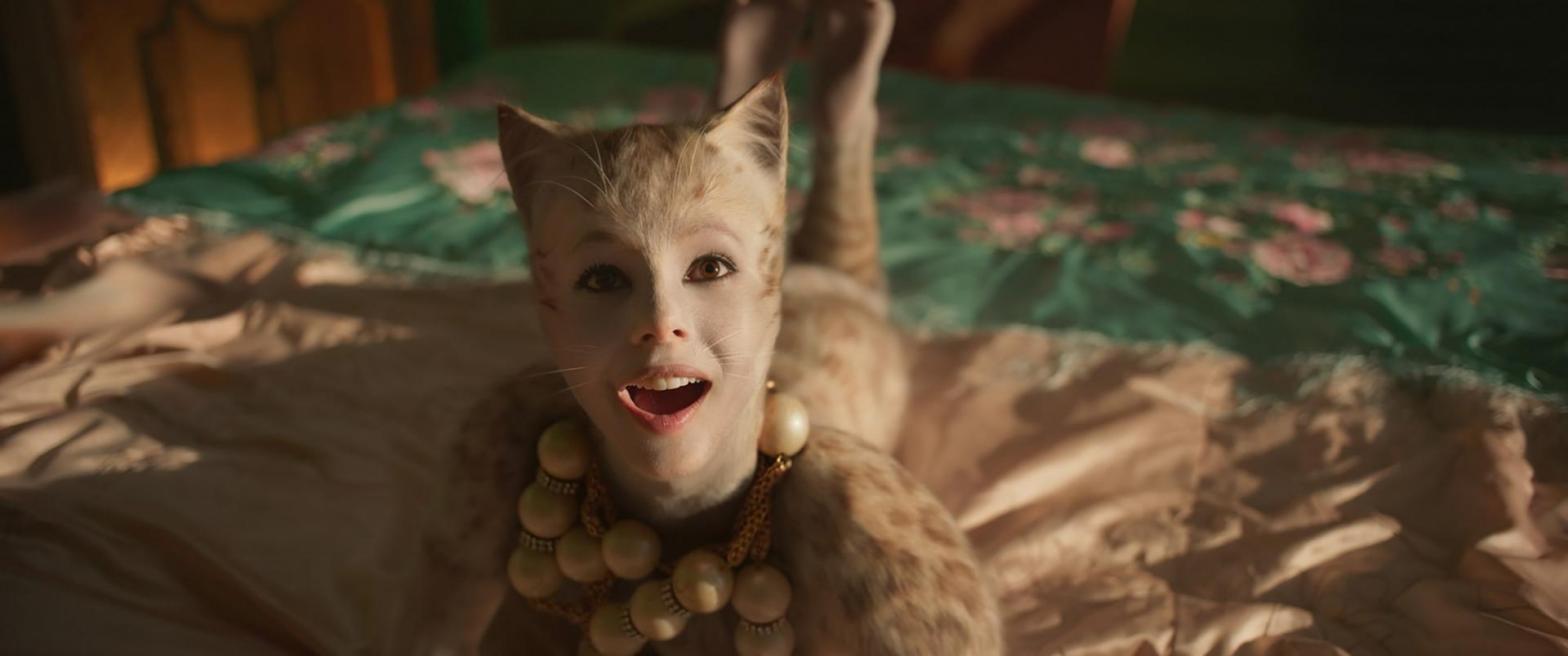
Three subscribers, do tell me: do you like seeing the evidence of my part-time honours degree, or do you want more Cats gifs? Or both? Brb, doing my thesis on Cats.
The Piano is hard to watch, but it’s a landmark achievement in female filmmaking, I’ve been thinking about it more and more since the credits rolled, but my mum and I have agreed that we might need another 30 years to cool off before the next rewatch.
Bleak, but brilliant: 6/7.



 fiftytwofilms